
Understanding Women’s Health: Key Aspects for Well-being
HEALTH
Introduction to Women’s Health
Women’s health is a multifaceted topic that extends beyond reproductive functions. It includes a broad spectrum of physical, mental, and social well-being issues that uniquely impact women throughout different stages of their lives. From hormonal health to pregnancy, understanding these elements is crucial for fostering a healthier lifestyle.
The Importance of Hormonal Health
Hormonal health is paramount in women’s overall well-being. Hormones such as estrogen and progesterone play critical roles in regulating menstrual cycles, mood, and energy levels. An imbalance of these hormones can lead to complications such as premenstrual syndrome (PMS) and polycystic ovary syndrome (PCOS). It is essential for women to remain aware of their hormonal health by seeking regular check-ups and discussing any concerns with healthcare providers.
Pregnancy and its Implications
Pregnancy is another significant aspect of women’s health, bringing both physical and emotional changes. It is vital for expectant mothers to receive appropriate prenatal care, ensuring both their health and the health of the developing fetus. During this period, a focus on nutrition, regular exercise, and mental health is crucial. Moreover, postpartum care plays a significant role in supporting new mothers, helping them navigate the challenges that arise after childbirth.
Addressing Skin Health in Women
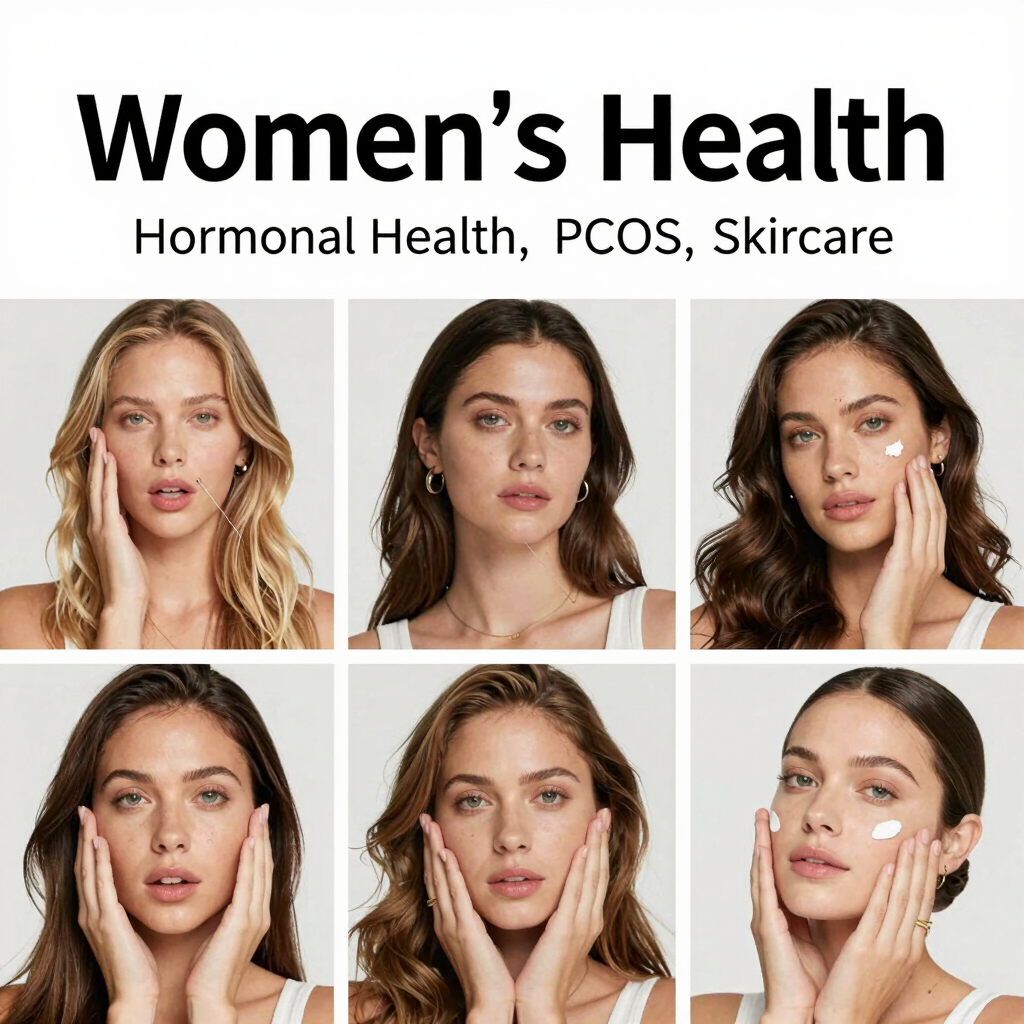
Women’s health is often associated with skincare as well. Skin issues can reflect underlying hormonal imbalances, especially conditions like PCOS. It is wise for women to engage in a skincare routine that caters to their specific needs and promotes healthy skin. Consulting dermatologists and utilizing products designed for hormonal skin can lead to improved self-esteem and overall happiness.
Conclusion
In summary, women’s health encompasses various dimensions, including hormonal health, pregnancy, and skincare. Each area significantly influences a woman's quality of life. By prioritizing education, regular health checks, and open discussions about health concerns, women can enhance their well-being. Empowering women with the knowledge and resources they need promotes healthier communities and reinforces the importance of taking care of their bodies.