
Navigating Mental Health and Stress Management in Modern Life
Introduction to Mental Health Challenges
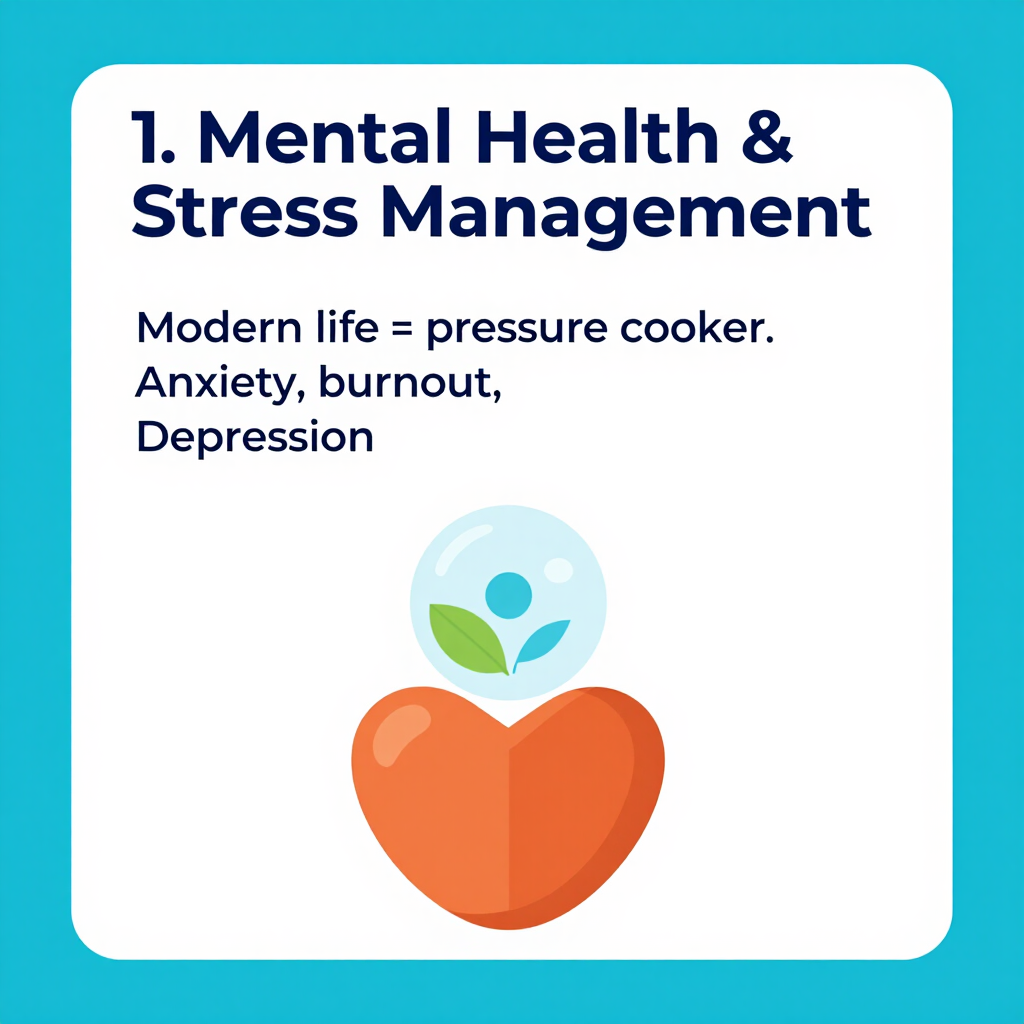
In today's fast-paced society, mental health issues such as anxiety, burnout, and depression have become increasingly common. The pressures of modern life often create an environment that resembles a pressure cooker, where individuals find it challenging to manage their emotional well-being. Understanding these challenges is essential for developing effective stress management strategies.
Understanding Anxiety, Burnout, and Depression
Anxiety is more than just periodic stress; it encompasses various disorders that affect the mind and body. Often resulting from overwhelming workloads or personal expectations, anxiety can manifest as incessant worry and restlessness. On the other hand, burnout emerges when individuals feel physically, mentally, and emotionally depleted, often due to excessive and prolonged stress. This state of burnout can lead to feelings of helplessness and apathy while diminishing one’s quality of life. Lastly, depression is a serious mental health condition that affects one's mood and overall functionality, highlighting the need for proper management and intervention.
Effective Strategies for Stress Management
Recognizing the signs of mental health struggles is the first step towards effective stress management. Implementing practical coping strategies can significantly alleviate anxiety and reduce the risk of burnout and depression. Techniques such as mindfulness meditation, regular physical exercise, and maintaining a healthy diet play a crucial role in enhancing mental well-being. Additionally, developing a support network with friends, family, or professionals can provide needed encouragement and guidance during tough times.
Seeking professional help is also vital for those experiencing overwhelming stress or mental health challenges. Therapists and counselors can offer personalized programs, which may include cognitive behavioral therapy (CBT) and mindfulness-based stress reduction (MBSR), aimed at equipping individuals with coping skills and resilience.
Moreover, practicing self-care is paramount in fostering a healthy mental state. This involves setting aside time for activities that bring joy, relaxation, and fulfillment. Whether it's reading a book, engaging in a hobby, or simply spending time in nature, self-care contributes significantly to improving mental health.
In conclusion, navigating mental health challenges in modern life necessitates a proactive approach to stress management. By understanding the emotional landscapes of anxiety, burnout, and depression, individuals can adopt effective strategies to enhance their mental well-being. With the right tools and support, it is possible to cultivate a balanced and fulfilling life amidst the pressures of contemporary existence.